
Understanding the cultural significance of gambling in modern society
Understanding the cultural significance of gambling in modern society
The Historical Context of Gambling
Gambling has been an intrinsic part of human culture for centuries, with its roots tracing back to ancient civilizations. From the dice games played by the Romans to the betting activities of the Chinese, gambling has served various purposes, from entertainment to social bonding. Over the years, it has evolved, adapting to societal changes, technology, and legal regulations. Understanding this historical context is vital to appreciate its current relevance and significance. Many players seek convenience and security in their gaming experience, and that’s where options like online casino neosurf come into play.

The evolution of gambling practices illustrates humanity’s relationship with risk and chance. In many cultures, gambling has transformed from a simple pastime into a more complex industry involving sophisticated strategies and technologies. As societies developed, the motivations behind gambling diversified, encompassing elements of thrill, competition, and even spirituality, where some viewed it as a way to engage with fate or destiny.
Moreover, the historical shifts in gambling’s perception—from taboo to a legitimate form of entertainment—highlight societal changes regarding risk and reward. The acceptance of gambling has prompted discussions about morality, ethics, and personal responsibility, making it a topic of significant cultural and academic interest in the modern age.
Gambling as a Social Activity
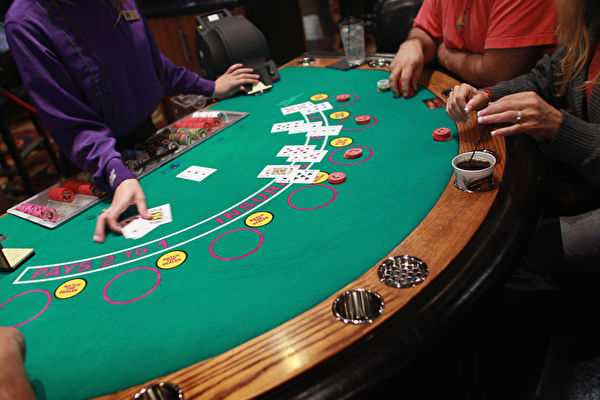
In contemporary society, gambling is often perceived as a communal activity that fosters social connections. Many people gather at casinos, betting venues, and online platforms to share experiences, celebrate wins, or commiserate losses. This social aspect is enhanced by the rise of online gaming communities, where players can interact, share tips, and even develop friendships. Such interactions reinforce the idea that gambling is not solely an individual endeavor but a shared experience.
Events such as poker tournaments or sports betting nights have become social occasions that attract diverse groups of people. The communal spirit of gambling can also strengthen bonds among family and friends. For example, attending a horse race or casino night can serve as a bonding experience, often intertwined with cultural rituals and celebrations, highlighting its significance in fostering human connections.
However, this social aspect of gambling is a double-edged sword. While it can promote camaraderie, it also raises questions about peer pressure and the normalization of gambling behaviors. Responsible gambling practices become essential to ensure that the social enjoyment of gambling does not escalate into problematic behaviors that can affect individuals and their communities.
The Economic Impact of Gambling
The economic implications of gambling are profound and multifaceted. In many regions, gambling contributes significantly to the local and national economies through job creation, tourism, and taxation revenue. For instance, casinos often generate employment opportunities, not only within the gambling sector but also in related industries such as hospitality and entertainment. The influx of tourists for gaming activities can invigorate local businesses, further amplifying its economic benefits.
On the flip side, the economic impact of gambling extends to costs associated with gambling addiction, which can burden healthcare systems and social services. Addressing these costs is essential for maintaining a balanced view of gambling’s economic contributions. Policymakers must weigh the financial benefits against the potential social harms, ensuring that regulations are in place to safeguard vulnerable populations.
Furthermore, as online gambling continues to rise, the economic landscape is rapidly changing. The digital shift allows for broader access to gambling opportunities, increasing participation rates and expanding market reach. However, this growth also necessitates stricter regulatory frameworks to combat issues like underage gambling and addiction, balancing economic gains with social responsibility.
Cultural Perceptions and Misconceptions
Gambling is often surrounded by a myriad of cultural perceptions and misconceptions, which can heavily influence individuals’ attitudes towards it. In some cultures, gambling is viewed as a vice, associated with moral decay and financial ruin, while others celebrate it as a legitimate form of entertainment. These differing views can impact legislation, community attitudes, and personal behaviors surrounding gambling practices.
The stereotype of the compulsive gambler plays a significant role in shaping public perception. Movies, literature, and media portrayals often emphasize the negatives associated with gambling, overshadowing the majority who engage in it responsibly. This disparity can deter individuals from exploring gambling as a recreational activity and perpetuate stigma around those who do partake.
Cultural narratives also shape the way gambling is integrated into various lifestyles. For some, it embodies risk-taking and thrill-seeking, while for others, it may represent leisure and socialization. Understanding these narratives is crucial for promoting responsible gambling and addressing the misconceptions that can lead to stigmatization or fear, ultimately paving the way for a healthier engagement with gambling.
Responsible Gambling Practices in Modern Times
In light of the increasing accessibility of gambling, responsible gambling practices have gained significant attention. Educational initiatives aimed at informing the public about the risks associated with gambling are crucial for fostering a culture of accountability. Many organizations and platforms are dedicated to promoting responsible gambling, providing resources for individuals to identify problem behaviors and access support.
Moreover, technology plays a pivotal role in facilitating responsible gambling. Innovations such as self-exclusion tools, spending limits, and awareness campaigns contribute to a safer gambling environment. These tools empower individuals to monitor their gambling habits and make informed decisions, thus reducing the potential for addiction.
Creating an environment that encourages responsible gambling requires a collaborative approach involving industry stakeholders, policymakers, and the community. By promoting awareness and providing resources, society can ensure that gambling remains a form of entertainment rather than a source of distress or harm. This collective effort is vital for cultivating a healthy attitude towards gambling in modern society.
Exploring Neosurf Casino Australia
As the gambling landscape continues to evolve, resources like Neosurf Casino Australia play a critical role in enhancing the gaming experience while promoting responsible practices. This platform offers comprehensive insights into top-rated casinos, facilitating a smooth navigation experience for users seeking information on payment methods, including Neosurf, a favored option for many online gamblers.
The focus on security and convenience at Neosurf Casino Australia underscores the importance of safe gambling environments. Users can find curated lists of the best casinos, attractive bonuses, and detailed guides on making deposits. Such resources are invaluable for both novice and experienced gamblers looking to maximize their online gaming experience while maintaining responsible gambling practices.
In an industry often riddled with complexities and risks, platforms that prioritize responsible gambling are essential. By offering education, resources, and secure transaction options, Neosurf Casino Australia exemplifies how the gambling sector can evolve to meet modern societal expectations and promote healthier engagement with this culturally significant activity.